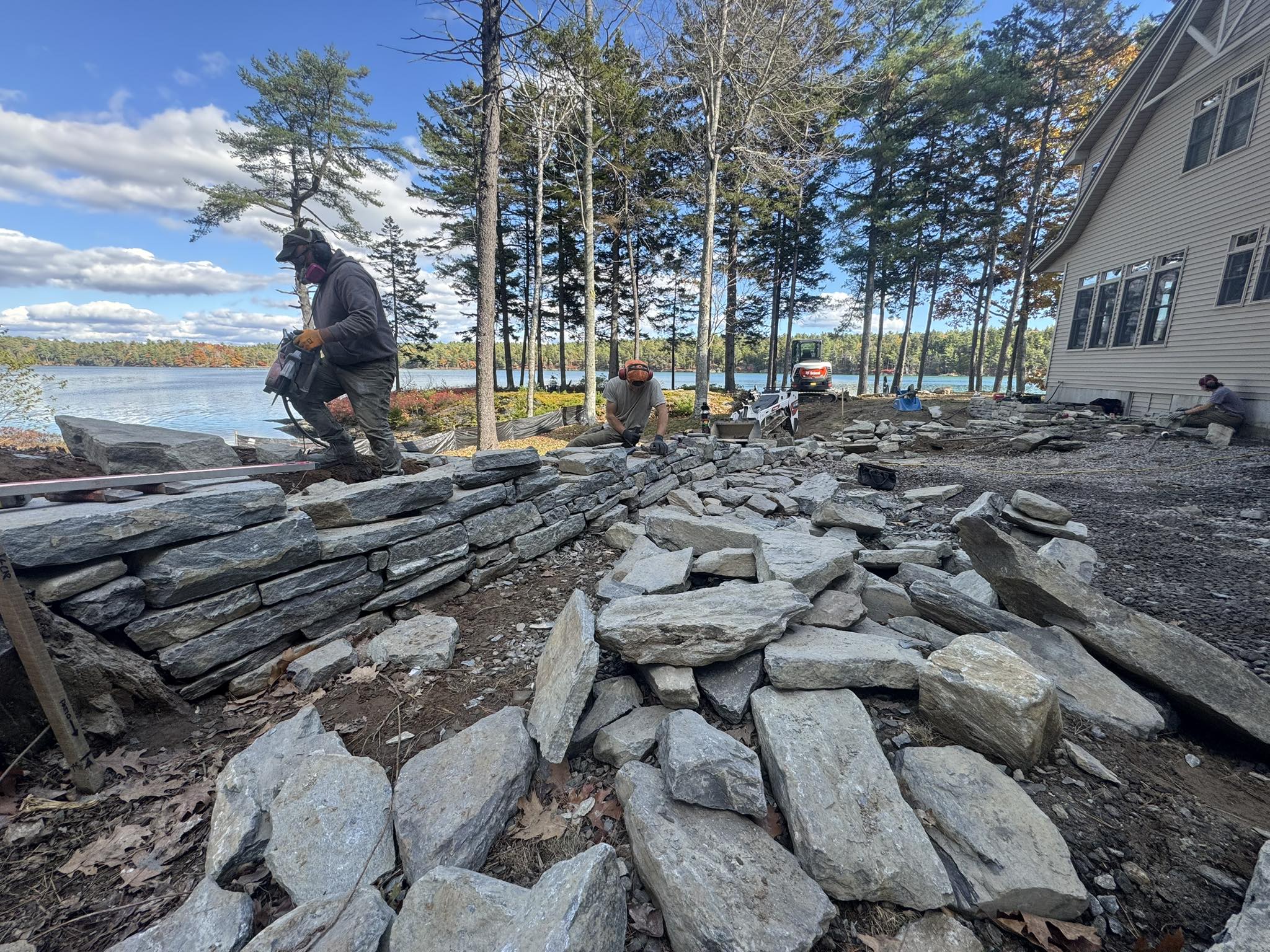
Mastering the Elements: Weather-Resistant Masonry Techniques for Every Climate Jul 08, 2026
Masonry, a time-honored craft, requires skill and precision, especially when weatherproofing across different climates. Whether it's the hot and humid conditions of a subtropical region, the dry and intense heat of a desert environment, or the freezing temperature of northern territories, understanding how each climate affects materials is crucial.
For hot climates, where intense sunlight and heat can lead to material expansion and contraction, the use of materials like concrete block and natural stone is key. These materials offer thermal mass that absorbs heat during the day and releases it at night, ensuring that buildings remain cooler. Masonry sealants can provide an added layer of protection by preventing moisture penetration, which can cause internal damage over time.
In more humid areas, moisture management becomes the focal point. Installing proper drainage systems within masonry structures prevents water accumulation, mitigating risks of mold and mildew. Utilizing vapor barriers and breathable wall systems helps manage humidity levels within buildings, enhancing structural integrity. Materials such as brick and lightweight concrete are particularly effective in such settings, combining porous properties with climate adaptability.
Cold climates pose their own set of challenges, with freeze-thaw cycles that can severely affect masonry. In these areas, using materials that are less absorptive is critical. Natural stone and concrete with low water absorption rates offer the best defense against frost cracking. Adding air entrainment to concrete can help absorb stress induced by freeze-thaw cycles, preventing surface damage and extending overall lifespan.
Wind-resistant designs are essential in coastal and open areas, where high winds can test the resilience of masonry structures. Reinforced concrete, with its high tensile strength, and interlocking brick systems provide the necessary robustness to withstand these powerful forces. Moreover, anchoring systems for securing roofing and siding elements further bolster a building's wind resistance.
Regular maintenance of masonry structures should never be overlooked. Inspecting and repairing cracks promptly, ensuring that sealants are intact, and cleaning surfaces to remove stains or biological growths are vital practices that prolong the durability of masonry work, regardless of climate.
At Natural Roots, our commitment to quality workmanship and weather-resistant solutions reiterates our belief that every region's unique climate should dictate the masonry technique employed. We provide tailored solutions that not only meet but exceed the expectations of our clients, safeguarding their investments against nature's unpredictability.
In conclusion, mastering weather-resistant masonry techniques is more than merely technical—it’s an investment in the future stability and aesthetics of construction. By focusing on climate-specific challenges and utilizing appropriate materials and maintenance, we at Natural Roots ensure that masonry structures are not just beautiful but are also equipped to stand resilient through any weather condition. Whether it's scorching sun, relentless rain, biting frost, or fierce winds, with the right approach and expertise, masonry can truly withstand the elements.
/filters:no_upscale()/filters:format(webp)/media/c74612d6-d7a1-4d41-bae5-93a86b2a0902.jpeg)